
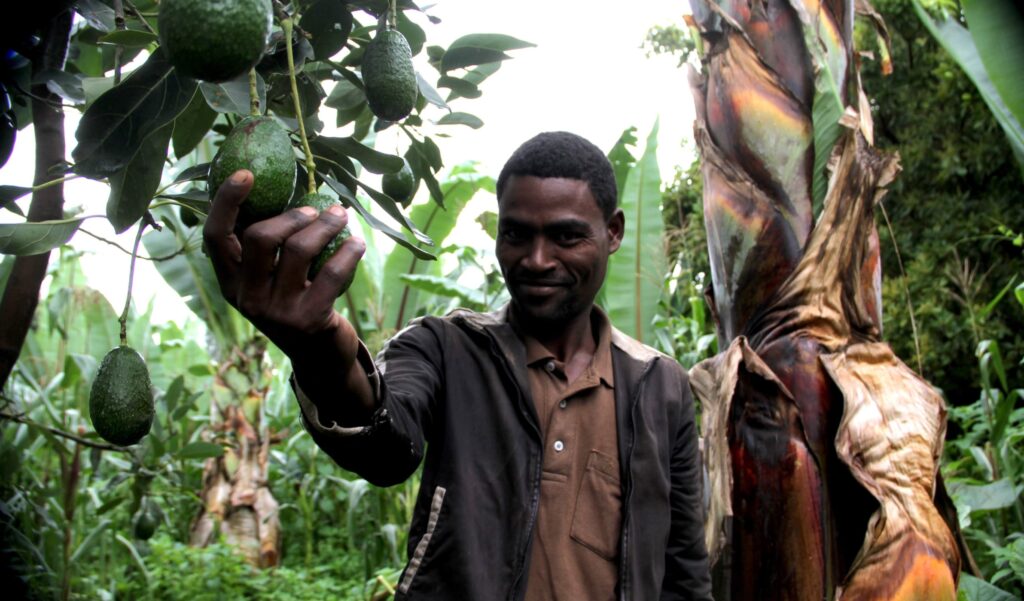
Growing organic avocados in Ethiopia is an incredible opportunity because our unique climate and rich soil give the fruit an amazing flavor and texture. However, shipping these avocados to Europe means meeting some of the strictest standards in the entire world. The European Union has a deep commitment to protecting consumers and the planet, which is why understanding their requirements is the first major step for any local exporter looking to succeed on the global stage.
The primary requirement for entering this premium market is securing official European Union organic certification. This means that from the moment the avocado tree is planted until the fruit is packed into a container, absolutely no synthetic chemical fertilizers or artificial pesticides can touch the crop. European buyers use highly sensitive laboratory testing to check for chemical residues, so local producers must rely entirely on natural methods like organic compost, crop rotation, and biological pest controls. Meeting this standard takes a lot of careful management, but it allows Ethiopian avocados to be sold at much higher prices, which directly rewards the hard work of our farmers.
Beyond being completely organic, food safety is an area where Europe never compromises. The market demands total assurance that the fruit is completely hygienic and safe to eat. To guarantee this, exporters must implement rigorous food safety management systems like Hazard Analysis and Critical Control Points, which track the fruit through every single stage of the supply chain. This involves keeping clean fields, ensuring workers wash their hands properly before touching the produce, using tested water sources, and managing the temperature during transport to prevent mold or bacterial growth. Having a solid traceability system in place is also vital, meaning an exporter can trace any single box of avocados back to the exact farm and the exact harvest date if a buyer ever asks.
While meeting these rules sounds demanding, it naturally pushes local agribusinesses to build highly resilient production systems. Resilient production is all about creating a farm environment that can survive unpredictable challenges like climate change, shifting weather patterns, and unexpected pest outbreaks. By adopting regenerative farming methods, such as planting diverse trees and protecting the soil with mulch, farmers actually make their land much stronger against droughts. This sustainable approach protects our precious local water bodies, improves the long term health of the soil, and ensures that the farm remains highly productive for future generations.
At the end of the day, aligning Ethiopian organic avocado production with European requirements is about much more than just passing a foreign audit. It is about building a modern, clean, and sustainable agricultural culture right here at home. When we combine our natural growing advantages with top tier safety compliance and resilient farming practices, we create a thriving export industry that stabilizes household incomes for thousands of smallholder farmers and proudly proves that Ethiopian agricultural products can stand confidently alongside the best in the world.